

Cardboard Boxes for Small Business: The Smart Packaging Guide
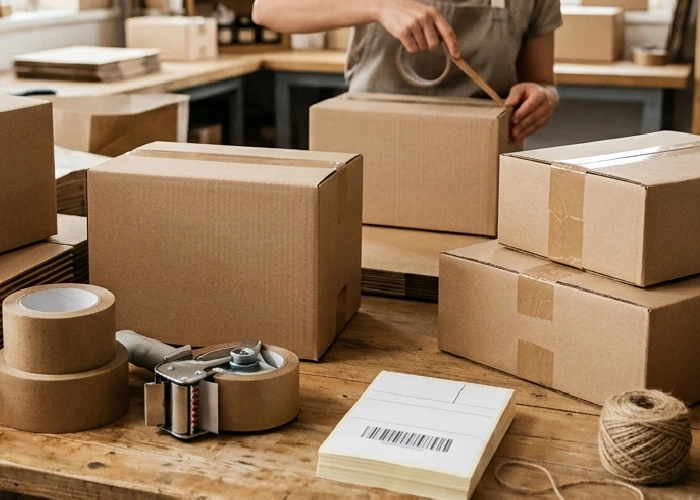
Picking the right cardboard boxes for small business shipping comes down to three things: size, material, and how you pack it. Get those right, and you’ll spend less on shipping, damage fewer products, and hand your customers a box that actually reflects your brand.
Here’s the short version: choose a box that fits your product with 1–2 inches to spare, stick to single-wall or double-wall corrugated cardboard, and limit yourself to two or three standard sizes so ordering stays simple. The rest of this guide breaks down why, with real examples from how small shippers actually pack orders.
Which Box Type Fits Your Product
Not every product needs the same box. Here’s a quick breakdown of what small businesses actually use, and why. Many growing brands choose small cardboard packaging boxes for lightweight products because they reduce shipping costs while keeping products secure.
Mailer Boxes
Good for apparel and anything lightweight. They fold flat for storage and usually self-lock, which means less tape and faster packing.
Corrugated Shipping Boxes
The go-to for anything fragile or with real weight candles, ceramics, glassware. Single-wall works for light items; double-wall holds up better once you’re shipping anything over a couple pounds.
Rigid Gift-Style Boxes
Best suited to subscription boxes and boutique brands, where the unboxing moment matters as much as getting the product there safely.
Die-Cut Retail Boxes
Worth considering if your product also sits on a store shelf. These double as retail packaging, so you’re not designing two separate boxes.
Choosing Eco-Friendly Packaging Without Spending More
Investing in eco packaging helps businesses reduce waste while creating a stronger brand image among environmentally conscious customers. You don’t need a bigger budget to make your packaging more sustainable. Corrugated cardboard already has one of the highest recycling rates of any packaging material in the country, according to the U.S. Environmental Protection Agency.
A few swaps to start with:
Recycled kraft or corrugated material instead of virgin cardboard. Paper tape instead of plastic packing tape.
Shredded paper or honeycomb wrap instead of plastic air pillows.
Soy-based or water-based inks for branding.
Skip glossy or laminated finishes, recycling facilities struggle to process them.
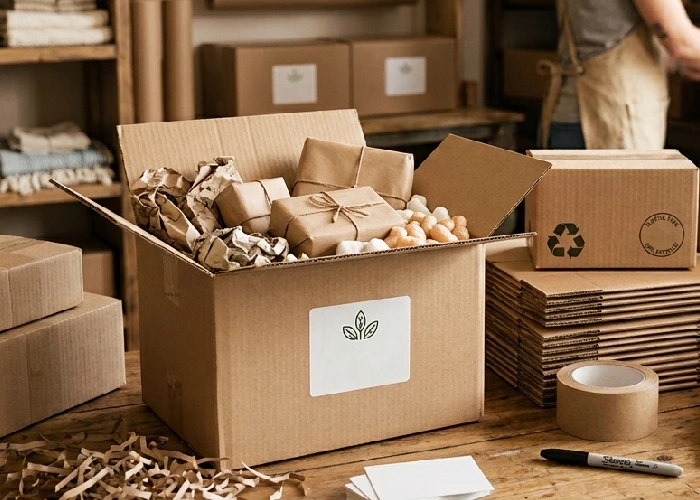
A skincare brand that swaps plastic air pillows for shredded kraft paper can put that on the box itself. Customers notice small details like this, and it costs almost nothing to make the change
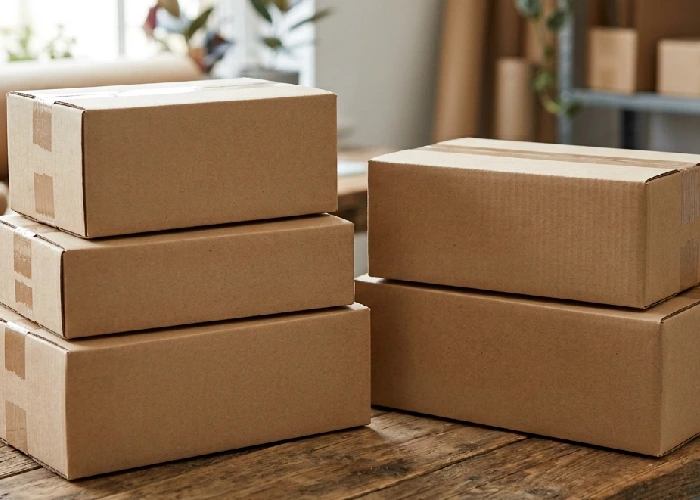
What Actually Makes a Box Recyclable
Using recyclable boxes made from corrugated cardboard makes disposal easier for customers and supports a circular packaging system. Not every cardboard box can go straight in the recycling bin. Three things determine whether it can:
No mixed materials: Plastic windows, foil linings, and wax coatings usually block recycling.
Water-based adhesives: Some glues contaminate the pulping process.
Single-material construction: A plain corrugated box with paper tape recycles far more easily than one wrapped in plastic film.
The American Forest & Paper Association reports U.S. cardboard recycling hit 69–74% in 2024, largely thanks to clean, single-material corrugated boxes. A small recycling icon printed on the box is enough to nudge most customers toward actually recycling it.
Packing and Wrapping Tips That Prevent Damage
Proper box wrapping with protective paper, tissue, or cushioning helps prevent movement during transit and reduces product damage.
Fill empty space: Products that shift in transit are far more likely to arrive broken.
Wrap fragile items individually before they go in the box. One layer of tissue or bubble wrap makes a real difference.
Use the H-taping method: Tape down the center seam and both edges to stop the box from popping open.
Add a branded touch: Colored tissue paper or a short thank-you note turns a plain delivery into part of the experience.
Write a packing checklist: Anyone fulfilling orders should follow the same steps, so quality doesn’t depend on who’s packing that day.
Final Thoughts
Good packaging isn’t complicated, it’s a handful of decisions made consistently. Pick the right size, use materials that are genuinely recyclable, store your stock properly, and pack every order the same careful way. Small businesses that get this right spend less on shipping and see fewer damaged orders, and their customers notice the difference when the box arrives. Ready to upgrade your packaging? Browse our full range of small business shipping boxes, or reach out to our team for a free packaging consultation tailored to your product line.