

How to Pack Heavy Items Safely for Shipping and Transport
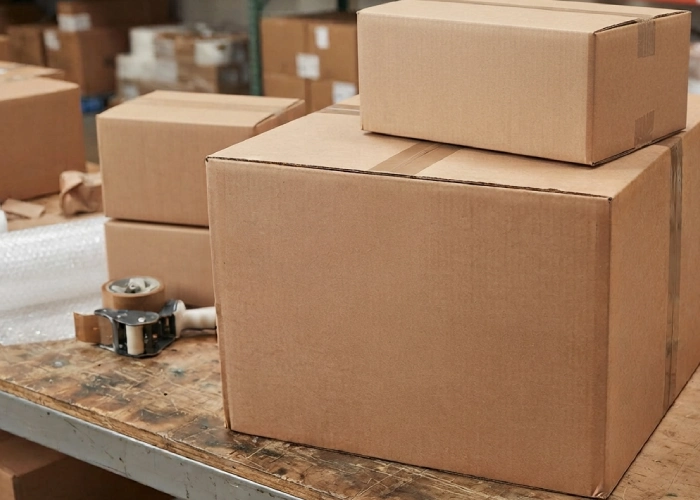
Heavy items are harder to ship safely. Their weight puts extra pressure on the box’s base, corners, and seams. This increases the risk of box failure, movement during transit, crushing, and corner damage.
Many businesses try to solve these problems by adding more tape. However, safe shipping requires more than strong sealing. Box strength, size, cushioning, sealing method, and weight distribution all matter. A mistake in any one of these areas can increase the risk of damage.
This guide explains how to pack heavy items safely and reduce the risk of damage during transit.
Why Heavy Items Need Special Packaging
Heavy shipments face several risks during courier and warehouse handling:
- Bottom failure: The base of the carton may give way under the weight.
- Compression damage: Stacking pressure can crush the box during storage or transport.
- Impact damage: Drops and rough handling can damage the box and product.
- Vibration damage: Continuous movement during long-distance transport can weaken the packaging.
- Internal shifting: The product may move inside the carton and hit the walls or corners.
These problems can also affect one another. For example, compression can weaken a box before it suffers an impact. A product that moves inside the carton can put even more pressure on weak areas.
For this reason, businesses should treat heavy-item packaging as a complete system. Choosing the right box is only the first step.
Choose the Right Heavy-Duty Packaging Box
Choosing the right box is one of the most important steps when shipping heavy products.
Light-duty cartons may not provide enough support for dense or heavy items. This becomes more important when couriers stack, move, and handle packages several times during transport.
Check the Box Strength
Manufacturers often measure corrugated box strength using an Edge Crush Test (ECT) or burst-strength rating. These ratings provide more useful information than wall count alone.
For heavier or denser products, businesses often use stronger constructions such as double-wall corrugated boxes. However, you should choose the box according to the product’s weight, size, stacking needs, and shipping conditions.
A heavy product does not automatically require a double-wall box. The carton simply needs enough strength for the actual load and handling conditions.
If you regularly ship dense products, choose packaging designed for that type of load. Avoid using a lightweight carton and trying to strengthen it later with extra tape.
EcoBox India offers packaging options for different shipping requirements. Check the current specifications of the Heavy-Item Packaging Box before selecting the right size and strength for your shipment.
Choose the Correct Box Size
Box strength alone cannot protect a heavy product. Size also matters. A box that is too large leaves extra room for the product to move. During transport, this movement can cause the item to hit the sides, corners, or base of the carton.
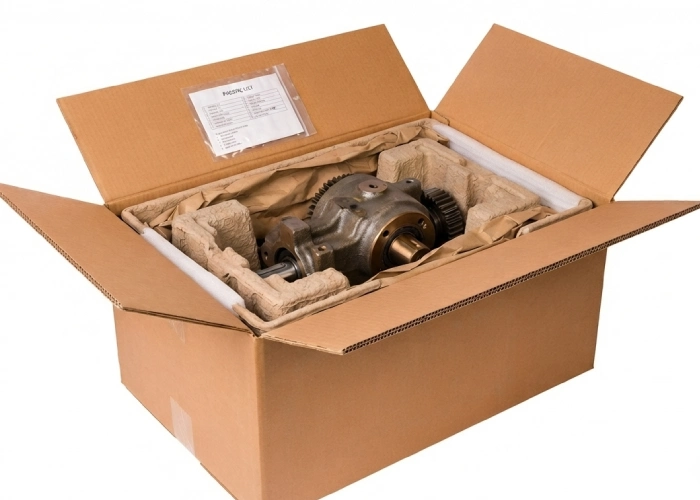
Choose a box that fits the product closely while leaving enough room for suitable cushioning. Avoid excessive empty space. If gaps remain after placing the product inside, fill them with suitable protective material.
How to Seal a Heavy Shipping Box
Good sealing strengthens the areas most likely to fail. It does more than simply keep the flaps closed. Pay particular attention to the bottom seams because they support the product whenever someone lifts or moves the box.
Use the H-Taping Method
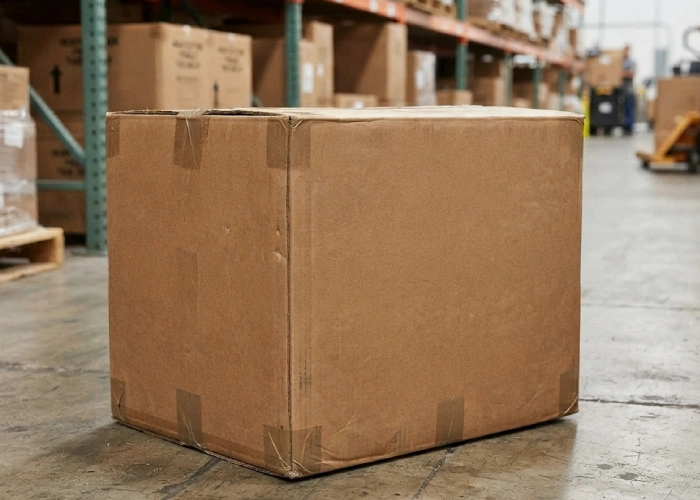
The H-taping method provides extra support for shipping cartons. Apply tape along the centre seam and both edge seams. This creates an “H” pattern across the top and bottom of the box.
Many businesses use this method for heavier shipments because it reinforces three important seams instead of only the centre. Choose packaging tape that suits the parcel’s weight and shipping conditions. A strong carton can still fail if the tape cannot handle the load.
Common Mistakes When Packing Heavy Items
Avoid these common packing mistakes:
- Using a carton that cannot support the product’s weight
- Choosing a box that is too large
- Leaving empty space inside the carton
- Failing to reinforce the bottom seams
- Placing most of the weight against one side or corner
- Using excessive tape to compensate for a weak box
- Shipping a box without checking for movement
- Using unsuitable cushioning for a dense product
Correcting these issues before dispatch can reduce the chance of damage during transport.
Test the Package Before Shipping
A simple check before dispatch can help identify weak points. Gently shake and tilt the packed carton. Listen and feel for movement inside. The product should remain firmly in place. Next, check the bottom, corners, and seams. They should remain firm without visible bending or opening.
For businesses that regularly ship heavy products, packaging tests can also help determine which carton strength and cushioning method work best.
Sustainable Packaging for Heavy Products
Heavy-duty packaging does not have to mean excessive packaging. Correctly sized, recyclable corrugated cartons can protect heavy products without unnecessary material.
The goal is to use the right amount of packaging for the job. A box with the correct size and strength can protect the product while reducing unnecessary void fill and waste.
Final Checklist Before Shipping a Heavy Item
- The box is rated for the product’s weight (double-wall where appropriate)
- The box size fits the product with room for cushioning, not excess space
- The bottom is reinforced
- Cushioning material fully prevents internal movement
- There is no shifting when the box is gently shaken or tilted
- Sealing method (e.g. H-taping) matches the parcel’s weight
- Weight is centred and evenly distributed
- The packed box has been tested before dispatch
FAQ
What type of box is best for shipping heavy items?
A corrugated box rated for the product’s weight and handling conditions often double-wall construction for denser or heavier loads sized to fit the product closely with room for cushioning.
How do you stop a heavy item from moving inside a shipping box?
Use void-fill material, corrugated inserts, or dividers to close any gap between the product and the box walls, and choose a box size that doesn’t leave excess empty space.
Should I use a double-wall box for heavy items?
It depends on the product’s weight, dimensions, and how it will be handled and stacked. Double-wall corrugated boards offer more crush resistance and are commonly used for denser or heavier shipments, but the right specification should match the actual load rather than assuming heavier always means double-wall.
How do you reinforce the bottom of a heavy shipping box?
Apply extra tape across the bottom seams typically using the H-taping method since the base carries the most weight-bearing stress during lifting and stacking.
What packaging materials are best for heavy products?
Corrugated inserts and dividers, paper cushioning, corner protectors, and rigid foam padding are commonly used to prevent movement and absorb shock for heavy or dense items.
Conclusion
Safe heavy-item shipping starts with packaging that matches the load.
Choose the correct box strength and size first. Then secure the product with suitable cushioning, distribute the weight evenly, and reinforce the important seams.
These steps can help businesses reduce transit damage, returns, replacements, and customer complaints.
If you regularly ship heavy or dense products, explore EcoBox India’s Heavy-Item Packaging Box and choose a size and specification that suits your shipment.