

Types of Packaging Boxes and Their Uses
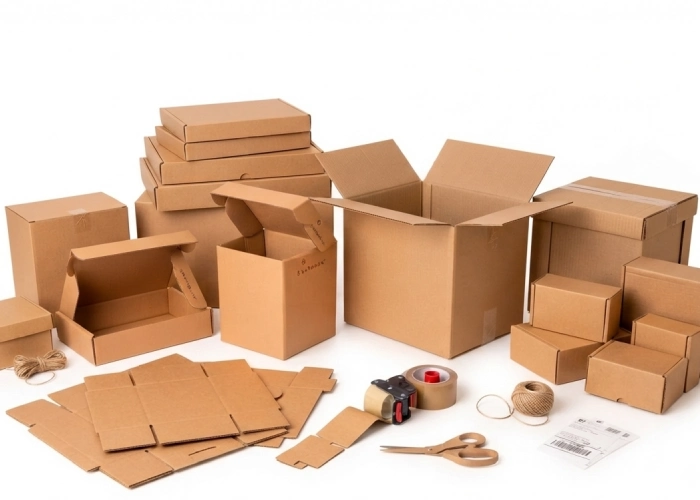
Picking a packaging box isn’t just about finding something the product fits into. The right box depends on what you’re packing and how it will travel. Weight, size, fragility, and the level of protection also matter.
Choose the wrong box and you may spend more on cardboard, void fill, and shipping. On the other hand, weak packaging can lead to damaged products, returns, and customer complaints.
This guide explains the main types of packaging boxes and their common uses. It also covers how to choose the right option for your product and shipping needs.
Why Are There Different Types of Packaging Boxes?
One box size or style cannot meet every packaging need. Products differ in size, weight, shape, and fragility. Shipping and storage conditions also vary.
Several factors determine which packaging box you should choose:
- Product size and shape – A compact accessory and a large appliance need different box sizes.
- Weight – Heavy items need stronger boxes that can handle stacking and transport.
- Fragility – Delicate products need packaging that limits movement and provides enough protection.
- Shipping method – Courier shipments often pass through several handling points before reaching the customer.
- Storage – Warehouse boxes may need to withstand stacking pressure for long periods.
- Presentation – Gifting and direct-to-customer orders may require a neat and attractive box.
- Business requirements – Order volume, budget, packing speed, and brand standards can influence box selection.
Most businesses use more than one type of packaging box. This allows them to match the packaging to different product categories.
The goal is not simply to reduce the number of box sizes you stock. Instead, choose the right packaging for each type of product.
Common Types of Packaging Boxes and Their Uses
Businesses can classify packaging boxes by construction, material, or intended use. As a result, some categories naturally overlap.
For example, a corrugated box may also have a self-locking design. The same box could also serve as e-commerce packaging.
The categories below explain some of the most common box types and their uses.
Self-Lock Boxes
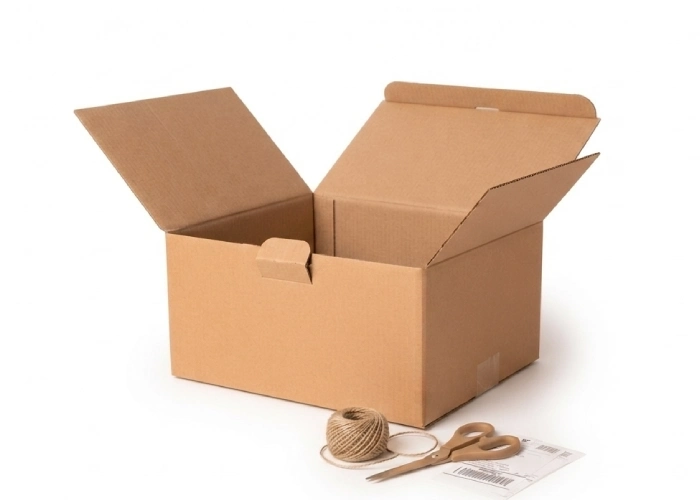
Self-lock boxes use interlocking flaps or panels to form and close the box. This design can reduce the need for additional sealing. They are also quick to assemble by hand. This makes them useful for businesses that pack a large number of orders. Self-lock boxes can also create a neat and clean appearance. This makes them suitable for retail, e-commerce, and presentation-focused packaging.
However, some self-lock boxes may still require tape. The need for extra sealing depends on the box design, product weight, and shipping conditions. Organisations such as FEFCO maintain standard systems for classifying corrugated box designs. These standards help the packaging industry identify different box structures consistently.
Heavy-Duty Packaging Boxes
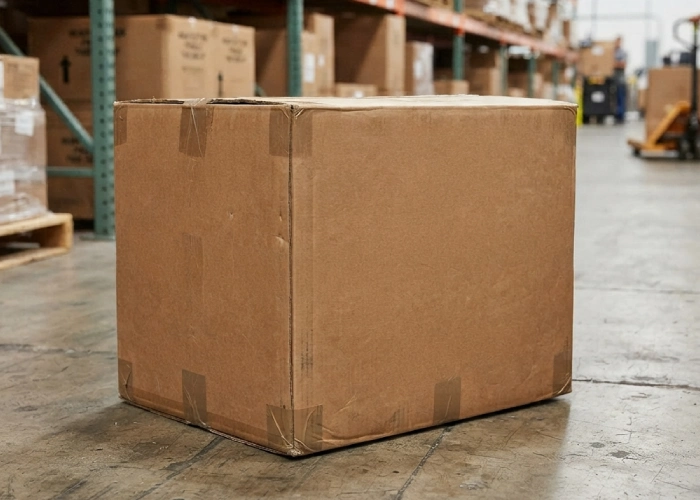
Heavy and dense products put more pressure on a box. Stacking, lifting, and transport can increase this stress. A weak box may buckle, crush, or fail at the bottom. Heavy-duty boxes use stronger construction to handle these demanding conditions. Businesses commonly use them for dense products and heavier shipments that require additional strength.
EcoBox’s Heavy-Item Packaging Box comes in 15 x 12 x 10 inch and 18 x 14 x 10 inch sizes. Always check the product specifications before choosing a box. The correct option depends on the size and weight of the item you plan to ship.
Compact Shipping Boxes
Not every order needs a large shipping carton. If you regularly ship small products, an oversized box can create unnecessary empty space. You may then need more void fill to keep the product secure. Larger boxes can also increase package volume and shipping costs.
Compact shipping boxes help solve this problem. They provide a closer fit for smaller products and orders. EcoBox’s Compact Shipping Box uses a bottom auto-lock and top tuck-in design. It measures 8.20 x 7.40 x 4.10 inches. This size works well for smaller orders that do not need a full-size shipping carton.
E-commerce Shipping Boxes
Online orders often pass through several stages before reaching the customer. Packers, courier hubs, delivery teams, and customers may all handle the parcel. The packaging needs to protect the product throughout this journey. It should also remain easy to pack, seal, label, and transport. For standard online orders, EcoBox’s Ecommerce Box provides an option for direct-to-customer shipping.
Businesses with larger orders may need more size choices. The High-Volume Courier Box offers options for different shipping requirements. Using multiple sizes helps businesses match the box more closely to each order. This reduces the need to use one oversized carton for every shipment.
Corrugated Packaging Boxes
Corrugated board is one of the most common materials used for shipping and storage boxes. It usually contains a fluted inner layer between outer liners. This structure provides strength while keeping the box relatively lightweight.
Corrugated construction appears across many packaging categories. Businesses use it for compact boxes, e-commerce cartons, courier boxes, and heavy-duty packaging.
Single, Double, and Triple Wall Corrugated Boxes
According to the Fibre Box Association, manufacturers produce corrugated board in single-wall, double-wall, and triple-wall constructions. Flute size also affects box performance. Larger flutes can provide more cushioning and compression strength. Smaller flutes can provide a smoother surface for detailed printing.
The right construction depends on the product and shipping conditions. Weight, stacking, storage, and handling can all affect the choice. Check the specifications of the box before ordering. Do not assume that one corrugated construction will work for every product.
Which Packaging Box Should You Use?
Most businesses start with the product rather than the technical box construction. You can use the following categories as a starting point:
- E-commerce shipping → Compact, e-commerce, or courier boxes
- Heavy or dense products → Heavy-duty packaging boxes
- Small or lightweight products → Compact or self-lock boxes
- Presentation-focused packaging → Neat self-lock or presentation-style boxes
- Warehousing and transport → Corrugated cartons rated for the expected load
For small retail or personal-care products, options include EcoBox’s Personal Care Items Box and Small Product Packaging Box. These categories are not strict rules. One box may meet several packaging needs at the same time.
Matching Packaging to the Product
| Requirement | Suitable Box Type |
| Small or compact products | Self-lock or compact box |
| Heavy or dense products | Heavy-duty packaging box |
| E-commerce orders | E-commerce or courier box |
| Presentation-focused products | Self-lock or presentation-style box |
| Space-efficient shipping | Right-sized compact box |
| General transport and storage | Suitably rated corrugated shipping carton |
How to Choose the Right Packaging Box for Your Product
The customer’s experience continues after the product ships. A well-thought-out unboxing moment usually includes:
- A box that opens easily, without frustration
- The product placed neatly rather than loosely inside
- Enough internal protection to prevent shifting or damage
- Small branded touches, like a note or consistent colour scheme
Unboxing has become a visible part of how some brands get discovered, particularly through customer photos and videos shared online. Industry surveys reported by Packaging World have found that premium packaging leaves a noticeably more positive impression on shoppers, with a large share saying it makes them more excited to open a delivery. Separate research covered by Packaging Digest also links gift-like, branded packaging to a higher likelihood that customers will share their purchase on social media.
Why Box Size Matters as Much as Box Type
Choosing the right type of box is only part of the decision. You also need the correct size.
A heavy-duty box that is too large can still allow the product to move. A box that is too small may not leave enough room for protective cushioning.Both situations can increase the risk of damage.
Box Size Can Affect Shipping Costs
Right-sizing can also help control shipping costs.Many couriers calculate charges using dimensional or volumetric weight. This method considers the package dimensions as well as its actual weight.
For example, FedEx explains how package dimensions can affect dimensional-weight calculations.
An unnecessarily large box can therefore increase shipping costs even when the product is lightweight. Compare different sizes before choosing your packaging. Several box types come in multiple dimensions, which makes it easier to find a closer fit.
Sustainable and Right-Sized Packaging
Sustainable packaging is not only about the material you choose. The amount of material also matters.
According to the Fibre Box Association, corrugated packaging has a strong recycling record. However, actual recycling options depend on local collection and recycling systems.
FAQs
What are the different types of packaging boxes?
Common types include self-lock boxes, heavy-duty packaging boxes, compact shipping boxes, e-commerce and courier boxes, and corrugated boxes generally, each suited to different product sizes, weights, and shipping needs.
Which type of box is best for shipping?
For most online orders, a courier-focused box sized to the product works best, since it balances protection with efficient, cost-effective shipping. Larger or bulkier orders may need a higher-capacity courier box instead.
Which packaging box is suitable for small products?
Compact or appropriately sized self-lock boxes can be suitable for small and lightweight products. The right choice depends on the item’s dimensions, weight, fragility, and required cushioning.
What type of box is used for heavy products?
Heavy-duty packaging boxes, built with sturdier construction, are generally used to handle the load and stacking stress that heavier or denser products create.
What is a self-lock packaging box?
A self-lock box uses interlocking flaps or panels to form and close the box efficiently, often reducing how much additional sealing is needed. It’s commonly used where quick assembly and a neat, finished look both matter.
How do I choose the right box size?
Start with the product’s exact dimensions and weight, then choose a box that limits empty space while still allowing for any cushioning the product needs. Comparing available sizes within a product line makes it easier to avoid both over-sizing and under-protecting.
Browse the full range of box types and sizes on the EcoBox shop to find the right fit for your products.