

Best Packaging Boxes for Glass Products A Practical Guide
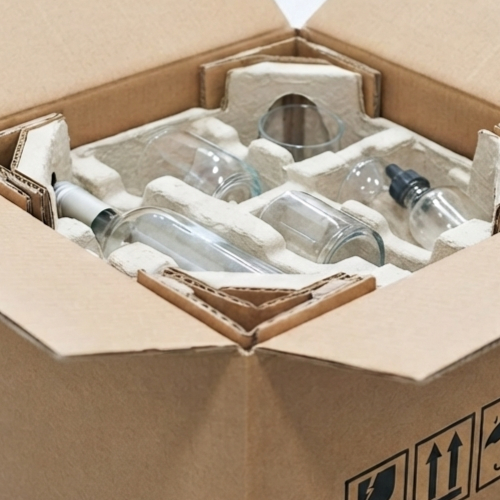
Opening a box to find a favorite glass jar shattered into sharp pieces is heartbreaking. If you run a small business or ship fragile items regularly, dealing with broken glass, angry customer emails, and costly returns is a nightmare. Glass is completely unforgiving during transit. A single rough drop from a courier worker can ruin a customer’s day and cost you hard-earned money.
Let’s look at how to stop this from happening. Here is how I choose and pack glass products so they survive the chaos of modern shipping.
For most glass products shipped via courier, use a correctly sized, durable corrugated box paired with appropriate cushioning. Bottles and jars require tight fits, inserts, or dividers to prevent glass-to-glass contact, while heavy glass items require reinforced or heavy-duty corrugated construction.
Why Glass Breaks in Transit (And How to Stop It)
Back when I first started shipping ceramic mugs and glass candle jars, I thought a generic brown box and a little crumpled newspaper would do the trick. I was wrong. During transit, packages face three main enemies:
- The Drop: Courier handlers are busy, and parcels take accidental tumbles off sorting belts.
- The Shake: If there is empty space inside your box, your product acts like a hammer against the cardboard walls.
- The Stack: Warehouses stack heavy parcels on top of each other. If your outer carton isn’t strong enough, it caves in.
The secret isn’t just bubble wrap. It is about building a complete system using strong packaging boxes for glass products, snug internal dimensions, and targeted cushioning. You can explore reliable options directly at EcoBox India to see what fits your catalog.
Best Packaging Boxes for Specific Glass Products
Not all glass is created equal. A tiny perfume vial needs a completely different setup than a heavy, three-liter pickle jar. Here is what actually works for different items:
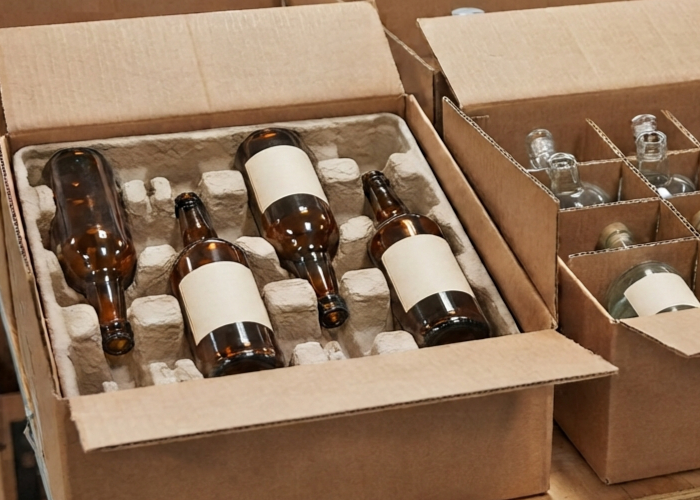
- Glass Bottles: Best shipped in a close-fitting corrugated bottle box with targeted neck and base cushioning to prevent shifting. Check out specialized choices like the EcoBox India Bottle Parcel Box.
- Multiple Bottles / Jars: Best handled with corrugated boxes featuring internal partitions or dividers to eliminate glass-to-glass contact.
- Cosmetic & Perfume Bottles: Best secured in right-sized compact corrugated boxes equipped with custom protective inserts.
- Candle Containers: Best packed in snug corrugated boxes featuring shock-absorbing cushioning around the base and walls.
- Heavy Glass Items & Jars: Best supported by heavy-duty corrugated construction designed to withstand higher stacking pressure and weight stress.
How to Choose the Right Packaging Box
Stop guessing what size box you need. Taking two minutes to measure properly saves you from massive headaches later.
- Get Exact Dimensions: Measure the widest and tallest points of your glass product, then factor in extra space for cushioning.
- Check the Packed Weight: Weigh the item alongside its protective materials. If you pack six heavy glass jam jars into one box, a flimsy single-wall carton will give out at the seams.
- Assess Fragility: A thick honey jar is tough. A thin, hand-blown vintage wine glass is not. Match your box strength to how delicate the item actually is.
For a broader look at selecting correct container grades, you can read more via this guide on corrugated packaging boxes.
My Step-by-Step Packing Routine for Fragile Glass
When I pack a batch of handmade soy wax candle jars to send across the country, I follow a strict routine. Feel free to steal this process:
- Inspect: Run your fingers over the glass. Never ship a piece that already has a hairline crack.
- Protect Vulnerable Zones: Wrap bottle necks, handles, rims, and bases individually. These are the spots that snap first.
- Cushion the Base: Never let glass touch the bottom of the cardboard box directly. Lay down a thick shock-absorbing pad first.
- Position the Item: Center the product. If you’re packing a set of three decorative spice jars, slide corrugated dividers between them so they can’t touch during transit.
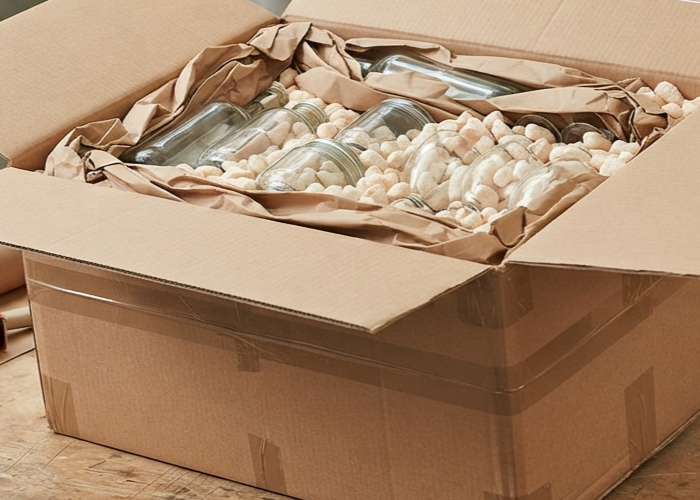
- Fill Gaps: Squeeze crumpled kraft paper or honeycomb wrap into every empty corner.
- The Shake Test: Give the sealed box a gentle rattle. If you feel or hear the product shifting, open it back up and add more void fill.
Frequently Asked Questions
What is the best packaging box for glass products?
A properly specified corrugated box paired with custom internal cushioning works best, chosen according to product dimensions, weight, and fragility.
Do glass bottles need dividers for shipping?
Yes, when shipping multiple bottles in a single carton, dividers are essential to prevent direct glass-to-glass contact and reduce collision risks.
How do I stop glass bottles from moving inside a box?
Use a box close to your product dimensions and fill all remaining gaps with tight cushioning, inserts, or paper void fill until the product is completely stable.
Should I use double-wall boxes for glass products?
Not automatically. Standard single-wall boxes work well for lightweight items, while heavy, dense, or multi-item shipments require heavy-duty or double-wall construction.
Where can I buy packaging boxes for glass products in India?
Businesses can explore specialized packaging options including bottle boxes, compact cartons, and heavy-item shippers through the EcoBox.
Conclusion
Shipping glass safely doesn’t have to be a guessing game. Once you master the combination of a snug, high-quality corrugated box, smart dividers, and tight cushioning, your breakage rates will drop close to zero.
Take a look at your current shipping setup, test your packages before sending them out in bulk, and give your fragile items the protection they deserve. You can explore a wide range of dedicated corrugated packaging options over at EcoBox India to find the exact fit for your next shipment.