

Packaging Box Strategies to Protect Your Brand Profits
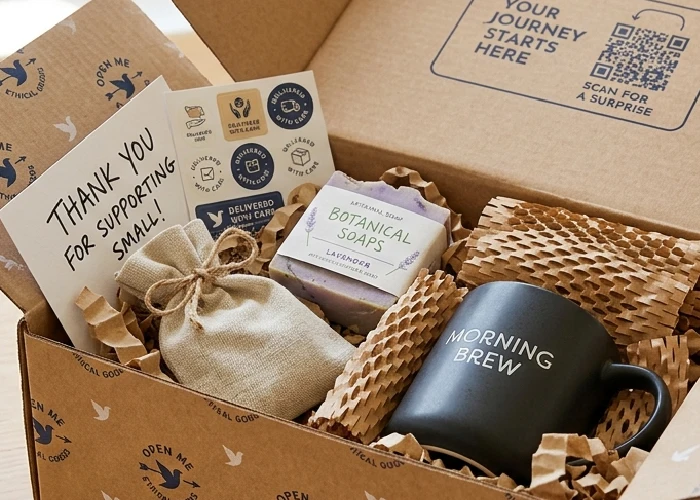
A high-quality packaging box is the most important physical link between your online store and your customer’s doorstep. For most D2C brands, the goal is simple: get the product to the buyer safely while keeping shipping costs low. By choosing the right boxes for ecommerce, you solve the two biggest headaches in Indian retail transit damage and high courier fees. This guide shows you how to pick the perfect container to protect your margins and your reputation.
The Financial Impact of a Sturdy Packaging Box
Many business owners view a packaging box as just a cost, but it is actually a tool for profit. When you use a low-quality ecommerce box, you risk a high “Return to Origin” (RTO) rate due to damage. In India’s rough logistics network, a parcel is crushed and stacked multiple times. If the walls of your box aren’t strong enough, the product inside pays the price.
Beyond protection, the size of your packaging box dictates your shipping labels. Most couriers charge based on volumetric weight. If your ecommerce shipping boxes are even two inches larger than necessary, you are paying to ship air. Switching to optimized small packaging boxes can often save a brand 15% to 20% on monthly logistics bills.
Why Specialized Boxes for Ecommerce are Necessary
Standard brown cartons are usually built for bulk storage, not individual home delivery. A dedicated ecommerce box is engineered to be opened easily by a consumer while remaining securely locked during transit. These containers often feature “top-tuck” designs that don’t require massive amounts of tape to stay shut.
At EcoBox India, we see many brands struggling with “pilferage” or theft during transit. A standard box that is easily taped can be opened and resealed without anyone noticing. However, specialized ecommerce shipping boxes are designed to be tamper-evident. This extra layer of security ensures your customer receives exactly what they paid for.

Saving Money with Small Packaging Boxes
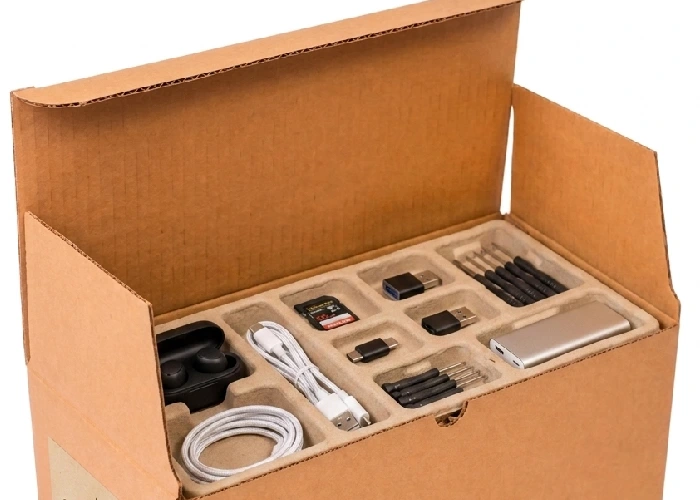
For sellers dealing in electronics, beauty products, or accessories, small packaging boxes are a secret weapon. Large boxes require “void fillers” like plastic bubble wrap to keep the product from rattling. This adds weight and cost. If you use a box that fits your product snugly, you eliminate the need for extra stuffing.
Strategic Tips for Choosing Your Next Box
- Measure your product: Choose a box that leaves only about half an inch of space on all sides.
- Test your courier slabs: Check if your small packaging boxes fall into the 500g shipping slab to avoid overpaying.
- Check the humidity: During the Indian monsoon, ensure your boxes for ecommerce have a high-quality outer liner that won’t go soft in the rain.
- Simplify the assembly: Choose an ecommerce box that is easy for your staff to fold; this reduces labor costs and avoids shipping delays.
Solving the Problem of Damaged Returns
The most expensive part of ecommerce isn’t the shipping; it’s the return. When a product breaks because of a weak packaging box, you lose the sale, the shipping fee, and the item itself. High-quality ecommerce shipping boxes act as aninsurance policy. Spending an extra rupee on a better box can save you hundreds in lost inventory.
Most transit damage happens when the product moves inside the box. If your small packaging boxes are too loose, the item will bounce around. Professional boxes for ecommerce are designed to hold the item in a fixed position. This “static” state is the safest way to ship anything from a smartphone to a bottle of perfume.